Cold rolled key stock delivers tight dimensional control for reliable torque transmission between a keyed shaft and hub. It offers a smooth finish, consistent strength, and predictable fit—ideal for power-transmission assemblies and MRO. Typical square sizes run 1/8 in to 1 in, with commercial tolerances around +0.000″/+0.002″ (oversize) for press-fit or −0.001″/−0.003″ (undersize) for slip-fit per common ANSI B17.1 practices.
This guide addresses carbon and stainless key stock used in industrial drives—pumps, gearboxes, blowers, and conveyors—focusing on cold rolled/cold drawn bars (e.g., 1018/1045 carbon; 303/304 stainless) rather than heat-treated keys or woodruff keys. For buyers, cold rolled key stock balances machinability, availability, and cost while meeting fit classes specified on drawings. If you need corrosion resistance or food-grade compliance, stainless steel key stock (304/316) maintains fit while resisting wash-down and chlorides.
Cold Rolled Key Stock
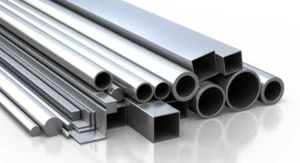
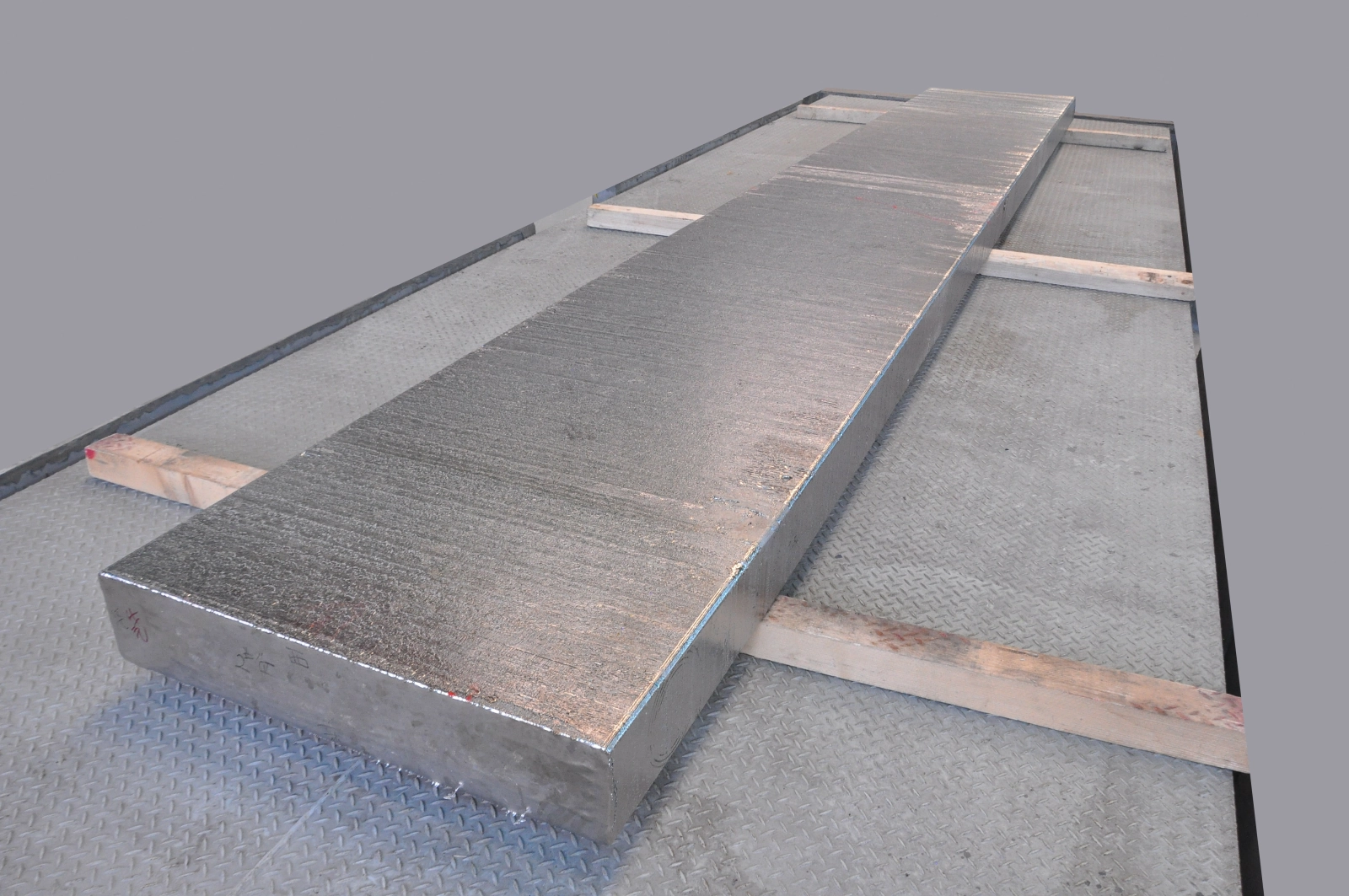
Cold rolled key stock is precision square or rectangular bar used to lock a shaft to a hub for reliable torque transmission. Cold finishing delivers tighter size control and a smooth finish, so keys seat consistently and resist fretting. Typical materials are CRS material (crs steel 1018/1045) for general duty and 303/304 stainless where corrosion resistance matters.
Dimensions follow ANSI/ASME B17.1 (inch) and ISO 773 (metric) for keys and keyseats. Common size range is 1/8–1 in square (or 3–25 mm), supplied in 12 in or 36 in lengths. Cold rolled 1018 key stock targets yield strength around ~50–55 ksi with hardness near ~70–90 HRB; 1045 provides higher strength for heavier loads. Tolerance classes include undersize (slip fit) and oversize (press/file fit), typically ±0.001–0.002 in on width depending on supplier and grade.
Use cases: electric-motor to pulley couplings, gearbox shafts, pumps, and conveyors—where repeatable fit and minimal backlash are required. The cold-rolled process helps keys install cleanly, reduce galling, and maintain alignment over service life.
Selection Guide
Choose cold rolled key stock by matching loading, fit, and environment—then confirm to ANSI/ASME B17.1 key and keyseat dimensions. Start with shaft size (inch series 1/8″–1″), then pick material: CRS key stock (1018/1045) for general torque duty; stainless key stock (304 stainless steel) for wet or corrosive service. Typical properties: 1018 cold finished ≈ 54 ksi yield, 1045 cold finished ≈ 77 ksi yield; 304 stainless ≈ 30–35 ksi yield with superior corrosion resistance.
Fit options (tolerance practice):
Oversize (+0.001–+0.003 in) for press-fit in the hub (high torque, minimal backlash).
Near-net (±0.001–0.002 in) for standard slip assembly and easy maintenance.
Length & hardness: Use full bars (12″–36″) for shop cutting or pre-cut keys (1″–6″) to reduce labor. For abrasive duty, specify through-hardened or induction-hardened 1045.
Quick check (shear sizing): For a 1″ shaft with a 1/4″ × 2″ CRS key and allowable shear 30 ksi, allowable torque ≈ 625 lb-ft T≈τ⋅d⋅b⋅L/2T ≈ τ·d·b·L/2T≈τ⋅d⋅b⋅L/2. Validate bearing stress and hub material before release.
Cold rolled key stock delivers precise fit, predictable shear performance, and reliable torque transfer when matched to the correct material, tolerance class, and operating environment. Selecting the proper grade—CRS for general duty or stainless for corrosive service—ensures long-term alignment and consistent equipment performance.
In CHC, a professional stainless steel manufacturer supplying cold rolled key stock and precision-cut stainless components—contact us for technical guidance or tailored specifications.